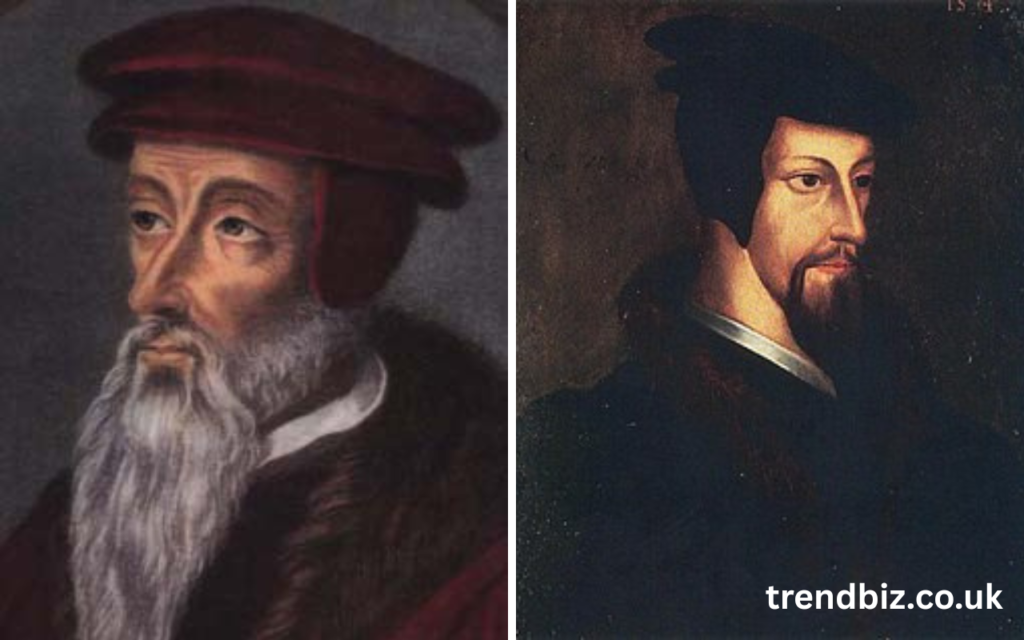
ohn Calvin was one of the most influential figures of the Protestant Reformation, shaping Christian theology and church organization in the 16th century. When people search for “john calvin pictures,” they are usually looking for historical portraits, paintings, and visual representations of Calvin that show how he has been depicted over time.
Since photography did not exist during his lifetime, all “pictures” of John Calvin come from paintings, sketches, engravings, and later artistic interpretations. These images have played a major role in shaping how the world remembers him.
This article explores John Calvin’s portraits, historical imagery, symbolism in his depictions, and how his visual legacy developed over centuries.
Quick Bio
| Detail | Information |
|---|---|
| Full Name | Jean Calvin |
| Known As | John Calvin |
| Born | 1509 |
| Died | 1564 |
| Nationality | French |
| Profession | Theologian, Reformer |
| Movement | Protestant Reformation |
| Known For | Calvinism doctrine |
Who Was John Calvin?
John Calvin was a key leader in the Protestant Reformation, a major religious movement in Europe that changed Christianity forever.
He is best known for:
- Developing Calvinism
- Writing influential religious texts
- Reforming church structure
- Emphasizing discipline and theology
His ideas influenced churches across Europe and later America.
Why There Are No Real Photos of John Calvin
Many people searching “john calvin pictures” expect photographs, but Calvin lived in the 1500s, long before photography was invented.
This means:
- No real photographs exist
- Only painted portraits survive
- Most images are artistic interpretations
- Later artworks were based on descriptions
Therefore, all visuals of Calvin are historically reconstructed.
Famous Portraits of John Calvin
The most recognized images of John Calvin are formal portraits created by artists during or after his lifetime.
Common features include:
- Dark clothing
- Serious facial expression
- Short beard
- Simple background
- Scholar-like appearance
These portraits were designed to reflect his religious seriousness and intellectual authority.
Symbolism in John Calvin Pictures
Portraits of John Calvin often carry symbolic meaning.
1. Dark Clothing
Represents humility and seriousness.
2. Stern Expression
Reflects discipline and religious focus.
3. Minimal Background
Emphasizes intellectual life over luxury.
4. Scholarly Appearance
Highlights his role as a theologian.
These artistic choices were intentional to reflect his beliefs.
Types of John Calvin Images
Over time, different types of images have been created:
Historical Paintings
Created during or shortly after his life.
Engravings
Used in books and religious texts.
Reformation Art
Images created to represent Protestant leaders.
Modern Interpretations
Digital recreations used in education and media.
How His Image Spread Across Europe
After Calvin’s teachings spread, his portraits were reproduced widely.
This happened through:
- Printed religious books
- Church publications
- Educational materials
- Political-religious propaganda
His image became associated with Protestant reform theology.
Artistic Style of His Portraits
John Calvin’s portraits typically follow Renaissance portrait traditions:
- Realistic facial structure
- Strong contrast lighting
- Formal posture
- Religious seriousness
Artists aimed to reflect intellectual authority rather than physical beauty.
Difference Between Calvin and Other Reformers
Compared to other reformers, Calvin’s images are:
- More serious in tone
- Less decorative
- More scholarly in appearance
- Focused on intellectual identity
This reflects his strict theological approach.
Modern Use of John Calvin Pictures
Today, images of John Calvin are used in:
- History textbooks
- Religious studies
- Museum exhibitions
- Academic presentations
They help students understand Reformation history visually.
Why People Still Search for His Pictures
Search interest remains high because:
- People study religious history
- Students need visual references
- His influence is still relevant
- Many want accurate historical images
However, all images remain artistic interpretations.
Influence on Religious Art
Calvin’s portraits influenced how Protestant leaders were visually represented:
- Simple clothing became standard
- Serious expressions became symbolic
- Minimal artistic decoration was preferred
- Focus shifted to ideas over imagery
This changed religious art across Europe.
Misconceptions About His Images
Some common misunderstandings include:
- Thinking photographs exist (they do not)
- Assuming all portraits are accurate
- Believing he had one official image
- Confusing later artistic styles with originals
Understanding historical context clears up these issues.
Digital Era Representation
In modern times, John Calvin’s image is often:
- Digitally restored
- Stylized for education
- Used in documentaries
- Shared in online history content
His portraits are now part of digital historical archives.
Legacy of John Calvin’s Visual Identity
John Calvin left behind not just theological ideas but also a strong visual legacy.
His images represent:
- Intellectual discipline
- Religious reform
- Historical transformation
- Cultural influence
Even centuries later, his portraits remain recognizable symbols of the Reformation.
READ MORE: Joan Crawford Eyebrows: Style, Expression, and Hollywood Beauty Legacy
Conclusion
John Calvin’s pictures are not photographs but carefully crafted portraits and artistic representations that reflect his role as a major religious reformer. These images help preserve the memory of John Calvin and his influence on Christianity and European history.
From Renaissance paintings to modern digital recreations, his visual legacy continues to educate and inspire people around the world.
This article is published for informational purposes on trendbiz.